Last Updated on September 28, 2026 by Matthew Hallock

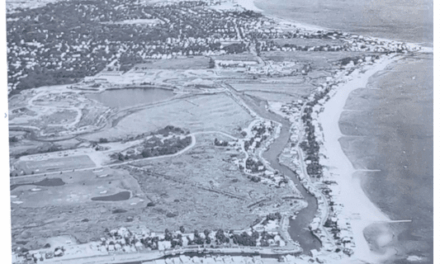
Providence Journal, September 23, 1938. (Photo courtesy of Nick Panico via NWS Boston)
Did you know that one of the reasons the Hurricane of 1938 was so devastating is that it caught many people completely by surprise? The beaches were full that late-September morning before it hit later. Because much of the Northeast was cut off due to destroyed roads, downed power lines, and washed-out bridges, isolated victims had to survive on their own until help could arrive days later. The disaster’s fatal flaws in communication and forecasting led directly to greatly improved early warning systems. Eventually, the Community Emergency Response Team (CERT) structure was developed by the Los Angeles Fire Department when they traveled to Tokyo and Mexico City after disasters and saw ill-equipped neighbors struggling to help. The practices they developed were adopted nationally by FEMA to empower neighbors to organize and care for themselves immediately following a major disaster, before first responders can arrive, as well as prepare for the worst ahead of time.
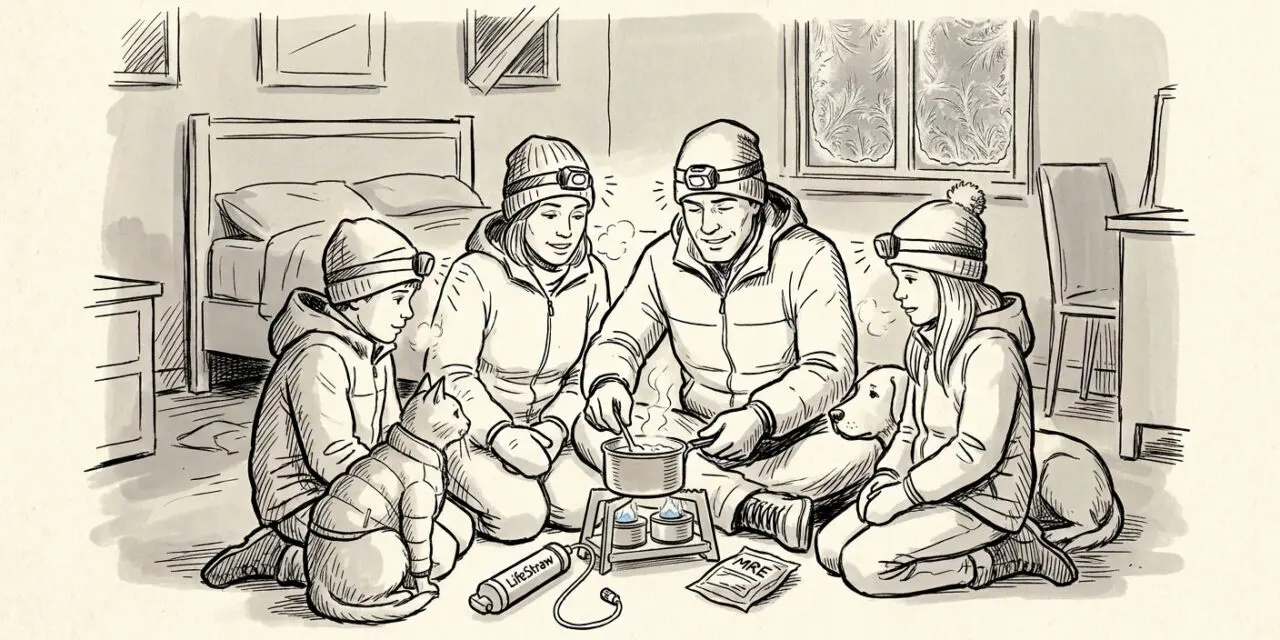
Here’s what’s going to happen: Next month or in 20xx, the Hurricane of 1938/Sandy/Katrina devastates the east coast. Your family including pets have retreated to the second floor as the home is flooded. Your garage roof is gone. It’s the middle of winter and freezing cold. Visibility is zero out your bedroom window. There is no light, electricity, phone service, heat, plumbing or potable water. Roads are impassable. Help is out there somewhere, maybe. Thanks to preparing ahead of time, you will survive.
Fairfield’s CERT is your friends and neighbors who are trained to help in the immediate aftermath of an event, before professionals arrive. Consider them your Readiness Team. These are the items that should go in every family’s survival kit. Ideally, every person should have their own bag. Store the collective kit in an out-of-the-way but accessible location.
One-Click Disaster Prep (Fast Track)
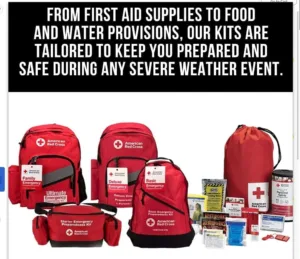
Red Cross Emergency Prep Kits
Get your preassembled pack and/or build your custom family box using the checklist below:
1-Person 72-Hour Red Cross Emergency Survival Kit
YOU ARE SAVING LIVES: Proceeds from your purchases through Amazon Affiliate links help buy survival kits, emergency gear, and disaster training resources right here in our community.
The CERT Checklist Every person in your household should ideally have their own backpack plus a family kit packed with these items:
Food & Nutrition
- Water (1 Gallon per person per day): Pack 3 days’ worth in specialized water pouches, milk jugs, or durable bottles. Avoid thin plastic bottles that burst under pressure.
- 3-Day Supply of High-Calorie, Low-Weight Food: MREs, energy/protein bars, dried fruit, nuts, or tuna pouches.
- Cooking Essentials: Matches in a waterproof container, utensils, cooking pot, and a manual can opener if packing canned goods.
- Sterno cans: For cooking and minimal heat.
- Water Filter: Equip each bag with a high-capacity Sawyer Squeeze Water Filtration System or a portable LifeStraw Personal Water Filter, plus a packet of Aquatabs Water Purification Tablets for backup structural treatment.
Medical & First Aid
- Prescription Medications: A 7-day supply (keep close track of expiration dates).
- CERT-Style First Aid Kit: Tourniquet, trauma shears, gauze rolls, band-aids, antiseptic wipes, burn cream, ibuprofen, and anti-diarrheal meds.
- Vision Prep: Spare eyeglasses or contact lens solution.
Tools & Navigation
- Illumination: Flashlight or a hands-free LED headlamp, plus plenty of extra batteries.
- Multi-Tool: A rugged, Leatherman-style multi-tool with pliers, wire cutters, and a sharp knife blade.
- Loud Emergency Whistle: Crucial for signaling search and rescue teams if you become trapped.
- Duct Tape, wiring & Plastic Sheeting: Add several old coat hangers for wire
- Physical Local Paper Maps: GPS and cell towers frequently fail during major coastal storms.
Personal Protection & Clothing: Hypothermia is a real risk. Use three layers of clothing: a base layer for moisture-wicking, a middle layer for insulation, and an outer layer for weather protection. Avoid overheating, as sweating leads to freezing.
- Extremities: Your head acts as a chimney. Pack a knit wool/fleece hat, insulated gloves, and wool socks (include extras of everything).
- Raincoats and/or Waterproof outer gear: Old ski pants and coats work great.
- Work Gloves: Leather or heavy nitrile gloves to protect against sharp debris, broken glass, or contaminated water.
- Dust Masks: An N95 particulate mask keeps hazardous mold, ash, or dust out of your lungs.
- Robust Footwear: Sturdy, waterproof boots kept right next to the bag (never evacuate in sneakers or sandals).
- One Full Change of Clothes: Synthetic or wool layers only: Avoid cotton, which retains moisture and accelerates hypothermia.
- Blanket: Ideally a mylar blanket, which reflects body heat back.
Documents & Financials (The “Pouch”) Keep a waterproof document bag containing:
- Copies of driver’s licenses, passports, and birth certificates.
- Home insurance policies and property deeds.
- A written list of emergency contacts, basic medical history, and critical allergy details.
- Physical Cash $100-$300 in small bills like $1s, $5s, and $10s: When the power goes out, card readers fail and stores sometimes cannot give change for $100 or even $20 bills.
Pets Need a Dedicated Bag
- Food & Water: A 3-day supply of their normal dry or canned food.
- Collapsible Bowls: Silicone fold-flat bowls for food and water.
- Waste Management: Dogs: 2–3 rolls of heavy-duty poop bags.. Cats: A small rollable/disposable cardboard litter box, a small bag of litter, and a scoop.
- Restraint & Safety: An extra collar or harness with up-to-date ID tags and a sturdy leash. Your pet’s microchip information should be written clearly on a card inside your document pouch.
- Comfort & Meds: A 7-day supply of pet medications, a familiar small blanket or toy to reduce extreme stress, and a secure carrier or crate for smaller animals.
Power & Vehicle Electronics REMEMBER to charge everything beforehand; presume your vehicle will be inaccessible after the storm hits. Keep at least two 10,000–20,000 mAh external battery packs pre-charged in your bag. Remember to charge everything before the storm hits.
- The 10-Year Off-Grid Power Vault: The ultimate upgrade for any household emergency setup is a ultra-reliable 12V 100Ah LiFePO4 Lithium Iron Phosphate Battery. Built with an integrated smart BMS and engineered for a 10-year lifespan, these lightweight, stable power cells run circles around old lead-acid batteries. Pair it with a simple inverter to safely back up medical equipment, charge communications rigs, and keep critical electronics alive for days of total grid failure.
- Car Hookup:If your vehicle is operational, you can turn it into a safe generator for laptops and medical gear without frying sensitive electronics with a DC-to-AC car power inverter. Top choices include the BESTEK 300W Pure Sine Wave Power Inverter or the highly compact GIANDEL 300W Car Power Inverter, both of which plug directly into a standard 12V cigarette lighter plug.
- Solar/Crank Radio: An emergency NOAA Weather Radio is essential. Look for models featuring a built-in power bank and multiple charging options, like the top-rated FosPower Emergency Solar Hand Crank Radio or the heavy-duty Leaton 10000mAh Emergency Weather Radio. Ensure it features a USB output port to charge your phone in a pinch.
- Charging Cables: Pack extra-long cables (Lightning, USB-C, Micro-USB) dedicated strictly to this bag. In other words, don’t pinch it 6 months from now when you need a charging cable.
Sanitation & Hygiene
- Moist Towelettes / Baby Wipes: Clean water will be a scarce or contaminated resource.
- Heavy-Duty Garbage Bags + Zip Ties: Useful for sanitary waste disposal or improvised weatherproofing, like to make an emergency poncho.
- Hygiene Essentials: Travel-sized hand sanitizer, a toothbrush, and a heavy moisturizer (skin will quickly crack under harsh, cold conditions).
- Emergency Sanitation (The “Two-Bucket” System): If the water is out but your toilet bowl is intact, you can convert it—or a standard 5-gallon bucket—into a waterless emergency toilet:
- Line the bowl or a 5-gallon bucket with a heavy-duty, 3-mil thick contractor trash bag.
- Add an absorbent layer (kitty litter, sawdust, or peat moss).
- Do your business, then cover after each use with another layer of absorbent material. Deposit pet waste in here as well.
- Tie off the bag daily and store it in a secondary, sealed outer container.
Pro-Tip for Bag Organization
Pack using color-coded dry bags or heavy-duty Ziploc bags. If you are looking for critical gear in absolute darkness during a sudden power failure, color coding ensures you don’t have to dump your entire bag on the floor to find what you need:
🔴 Red: First Aid / Medications
🔵 Blue: Water & Filtration
🟡 Yellow: Electronics & Power
⚪ Clear: Documents & Cash